
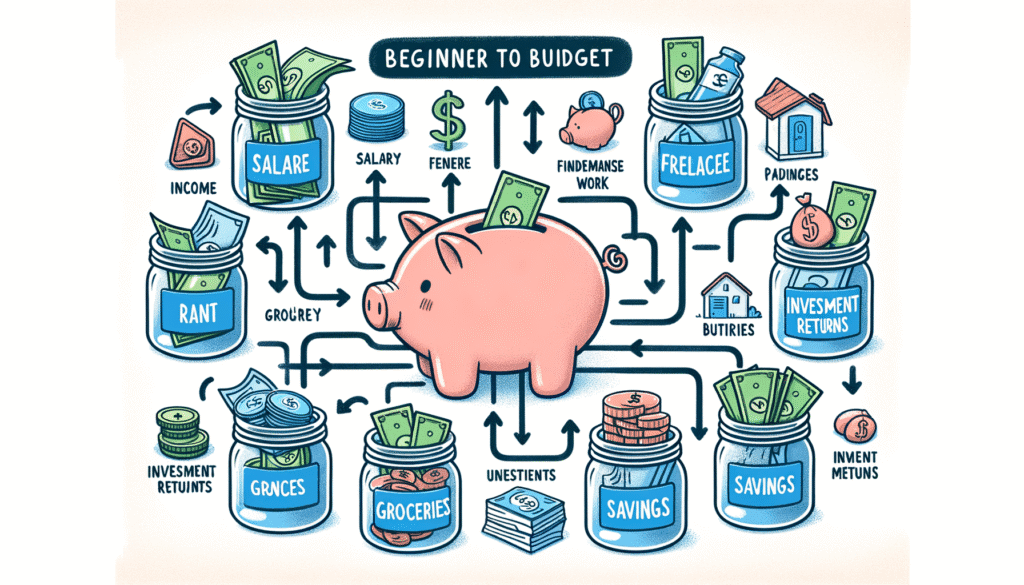
Budgeting is an important skill for anyone looking to take control of their finances, especially for beginners balancing side hustles or entrepreneurial ventures. In this article, you’ll gain practical insights into creating a budget, exploring different budgeting methods, and discovering tools that can simplify the process. You’ll find actionable steps to help you manage your money effectively and work toward your financial goals. For more on how we research and review our content, see our Editorial Guidelines.
Understanding the Basics of Budgeting
At its core, a budget is a plan for your money. It enables you to track your income and expenses, helping you make informed financial decisions. If you’re looking to grow a side hustle or start a business, establishing a budget is vital.
AdSense Middle (300x250 or 336x280)
Replace with your AdSense code after approval
Why Every Entrepreneur Needs a Budget
Budgeting provides several key benefits, including:
– Understanding Your Cash Flow: Gain insights into where your money goes each month.
– Prioritizing Your Spending: Identify what’s truly important to you.
– Achieving Your Financial Goals: Whether saving for a new project or a vacation, budgeting helps you plan effectively.
– Preventing Debt and Building Wealth: Stay on top of your finances to avoid unnecessary debt and set yourself up for financial success.
Step-by-Step Guide to Creating Your First Budget
1. Identify Your Income Sources: Start by listing all your income sources, including your paycheck, side gigs, and any passive income streams.
2. Track Your Expenses: Use budgeting apps, a spreadsheet, or even a classic notepad—choose whatever method works best for you to monitor your spending.
3. Set Financial Goals: Consider what you want to achieve with your budgeting efforts. Are you aiming to save for something significant, invest, or eliminate debt?
4. Adjust Your Budget Over Time: Life is unpredictable, and your financial situation may change. Make it a habit to revisit and tweak your budget regularly.
Common Budgeting Methods for Entrepreneurs
One budgeting method may not suit everyone. Here are a few popular approaches to consider:
– Zero-Based Budgeting: Assign every dollar a role, ensuring your income minus expenses equals zero.
– 50/30/20 Rule: Allocate 50% of your income to needs, 30% to wants, and 20% to savings and debt repayment.
– Envelope System: Withdraw cash for different spending categories and place them in envelopes—once the cash is gone, you cannot spend any more in that category.
Tools and Resources for Effective Budgeting
With numerous apps and software available for budgeting, it’s essential to find one that fits your needs. Take some time to explore options and choose a tool that makes tracking straightforward and enjoyable.
Overcoming Challenges in Budgeting
Budgeting can present challenges, especially if your income fluctuates or you’re trying to reduce expenses. Stay motivated by reminding yourself of your long-term financial goals—remember, you’re laying the groundwork for a more secure financial future!
Beyond Budgeting: Growing Your Wealth
Once you’ve mastered budgeting, consider focusing on investment opportunities, exploring multiple income streams, and protecting your assets. These steps can help you build sustainable wealth over time.
In conclusion, budgeting is a powerful tool for managing your finances and achieving your goals. Start implementing a budget today; the positive impact on your life and financial well-being can be significant. For more important limitations of this information, please review our full Disclaimer.
—
📩 Want more content like this? Join our weekly newsletter for the latest articles delivered right to your inbox.
Important Disclaimers
* This article is for informational purposes only and does not constitute financial advice. Always consult with a qualified financial advisor before making investment decisions.
* Past performance does not guarantee future results. All investments carry risk, and you may lose money.
* The views and opinions expressed in this article are those of the author and do not necessarily reflect the official policy or position of Daily Global Pulse.